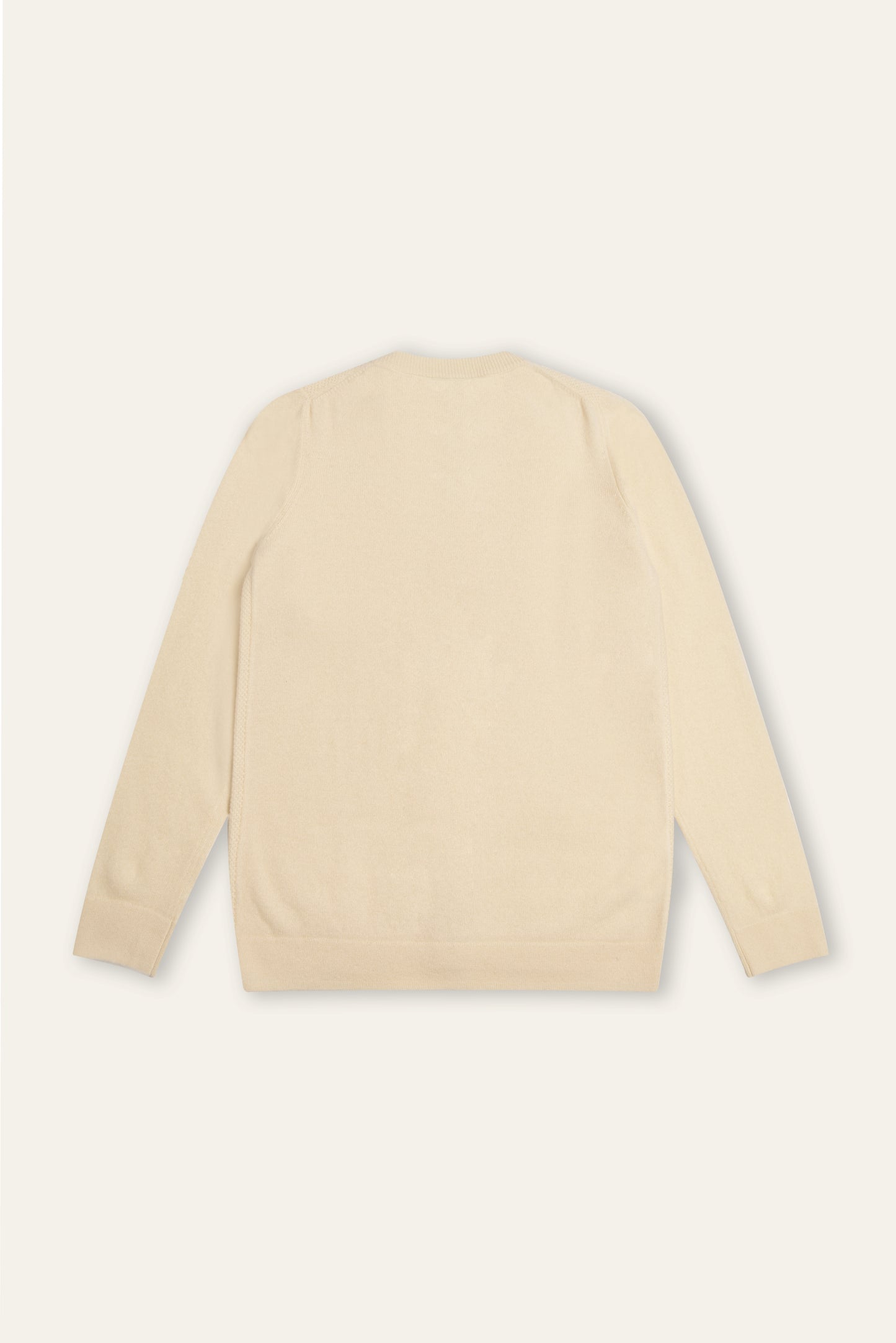
Harsh Gobi, Nomads, and Luxury: The Story of Mongolian Cashmere from its Origins to the Present Day
When people talk about the highest quality cashmere in the world today, most experts point to one country: Mongolia.
The history of Mongolian cashmere: how the world's finest cashmere originates from the harsh steppes.

It is here, in the extreme climatic conditions of northern Mongolia, that goats with the finest undercoat live. Mongolian cashmere has a long history associated with nomadic tribes who manually harvested it for hundreds of years before it became a global fashion commodity.
This article summarizes why Mongolia gave birth to what we now call premium cashmere.
Where did it all begin? Mongolian Cashmere and Nomadic Tradition
Nomadic cultures of Mongolia have been herding goats for over 2000 years. Every spring, they manually comb out the fine undercoat that grows to help the goats survive extremely cold winters — in northern Mongolia, temperatures commonly drop to –40 °C.
In ancient times, these fibers were used to make:
- light but very warm cloaks,
- traditional "deel" garments,
- quality blankets,
- luxurious gifts between rulers.
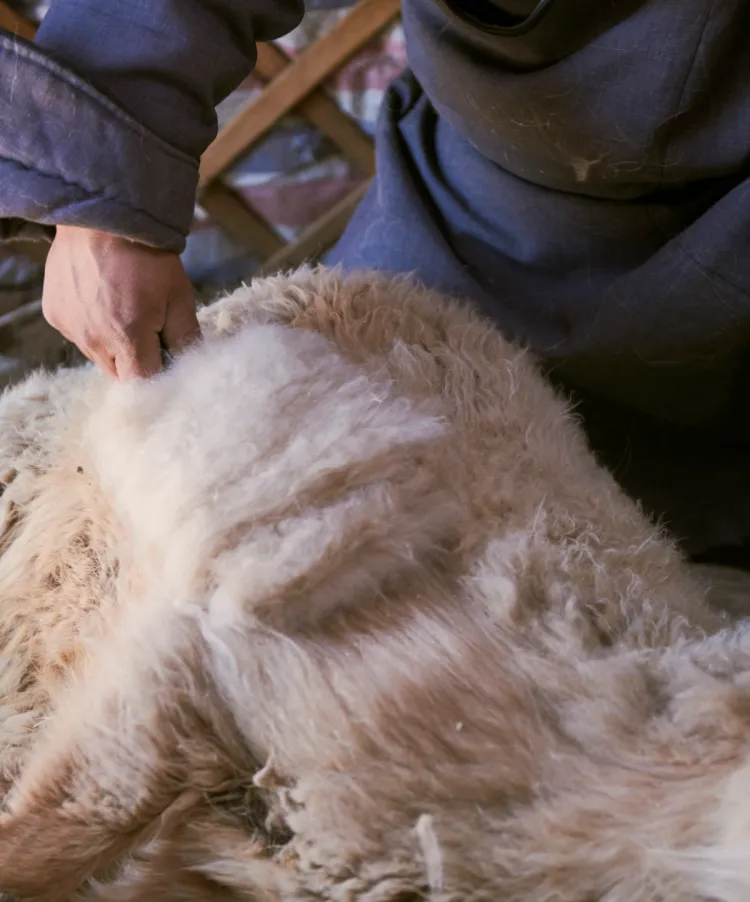
Nomads never sheared the goats – cashmere was always combed out, a practice that continues to this day. This method is more time-consuming but is 100% painless, thus ensuring humane treatment and sustainable production.
For nomads, goats, sheep, or yaks mean livelihood, heritage, and pride. The herd is treated with exceptional respect. The animal is not an object - it is a partner who shares life with the family.
Nomadic tradition is a unique approach to animal husbandry that does not exist anywhere else in the world.
Mongolia in the World History of Cashmere
Although the world often focused on the Kashmir region, Mongolian cashmere became crucially important, especially from the 19th century onwards:
- during the Russian Empire, it became a strategic commodity,
- in the 20th century, European and Scottish weaving mills began purchasing it,
- after 1990, Mongolia opened its market and became one of the world's largest cashmere producers (approx. 40–50% of annual production).
Today, Mongolia is an absolute powerhouse of premium cashmere, and global fashion houses actively seek it out.
Spring – the Most Important Period in the History of Mongolian Cashmere
Manual spring combing is a ritual passed down from generation to generation. It takes place during the period when goats naturally shed their winter undercoat. Nomads use:
- metal or wooden combs,
- long slow strokes,
- gentle separation of the long undercoat from the coarser guard hair.
This method preserves the quality of the fibers and is completely gentle to the animals.
Therefore, Mongolian cashmere is a symbol of sustainability and tradition, not industrial production.
The Journey of Cashmere to Europe: 18th Century
Europe first encountered cashmere in the 18th century, when it was brought by traders from the French East India Company. The first cashmere shawls appeared in France around 1750 and immediately captivated the aristocracy.
A decisive moment came with a fashion icon:
Joséphine de Beauharnais, Napoleon's wife
- wore cashmere shawls daily,
- became a symbol of European cashmere style,
- her interest led to massive demand for this luxury.
Thanks to her, cashmere ceased to be an exotic rarity and became a fashion phenomenon.

19th Century: Europe Discovers its Own Cashmere Weaving
In France, the first imitations of cashmere shawls began to be produced around 1800. However, real European production flourished several decades later in Britain – particularly in Scotland.
The Scottish town of Paisley became famous for producing woven shawls with a specific pattern. The now globally recognized paisley motif, inspired by original Kashmiri ornamentation, also originated there.
Scottish water, technology, and artisanal tradition contributed to this country giving the world the first truly high-quality European cashmere knits.

When was the first cashmere sweater created?
Although cashmere was primarily used for shawls for a long time, the first knitted cashmere sweaters began to be produced at the end of the 19th century. This was a natural step at a time when:
- knitting technology was developing,
- demand for warm yet lightweight clothing was growing,
- Scottish factories were able to process cashmere into fine knits.
The cashmere sweater thus became a symbol of elegant, delicate, and timeless fashion that has endured to this day.

Mongolian Cashmere in the Modern World: Why Fashion Houses Love It
Today's premium brands seek Mongolian cashmere due to:
- the highest possible fiber quality,
- stable ethical production,
- long lifespan of finished products,
- natural softness without the need for chemical softeners.
Modern technology has enabled the creation of the following from Mongolian cashmere:
- lightweight year-round sweaters,
- exceptionally warm winter turtlenecks,
- knitted dresses, scarves, and coats,
- luxurious men's and women's collections.
Mongolian Cashmere vs. Cashmere from Other Regions
| Region | Fiber Diameter | Length | Characteristics |
|---|---|---|---|
| Mongolia | 13–15 µm | up to 40 mm | finest, most durable, low pilling |
| Nepal / India (Kashmir) | 15–19 µm | shorter | historically best known, often pashmina |
| China | 15–17 µm | medium | large production, lower quality control |
| Afghanistan / Iran | 16–20 µm | variable | good quality, less stable fiber |
Mongolian cashmere consistently leads in all parametric quality tests.
Why, after reading the history of Mongolian cashmere, do you deserve your own cashmere sweater?
Mongolian cashmere has:
- a thousand-year-old nomadic tradition,
- the best fiber properties in the world,
- unique softness and durability,
- eco-friendly processing,
- value that does not decrease.
A cashmere sweater made from Mongolian cashmere is literally the result of generations of knowledge and natural conditions that cannot be replicated.